
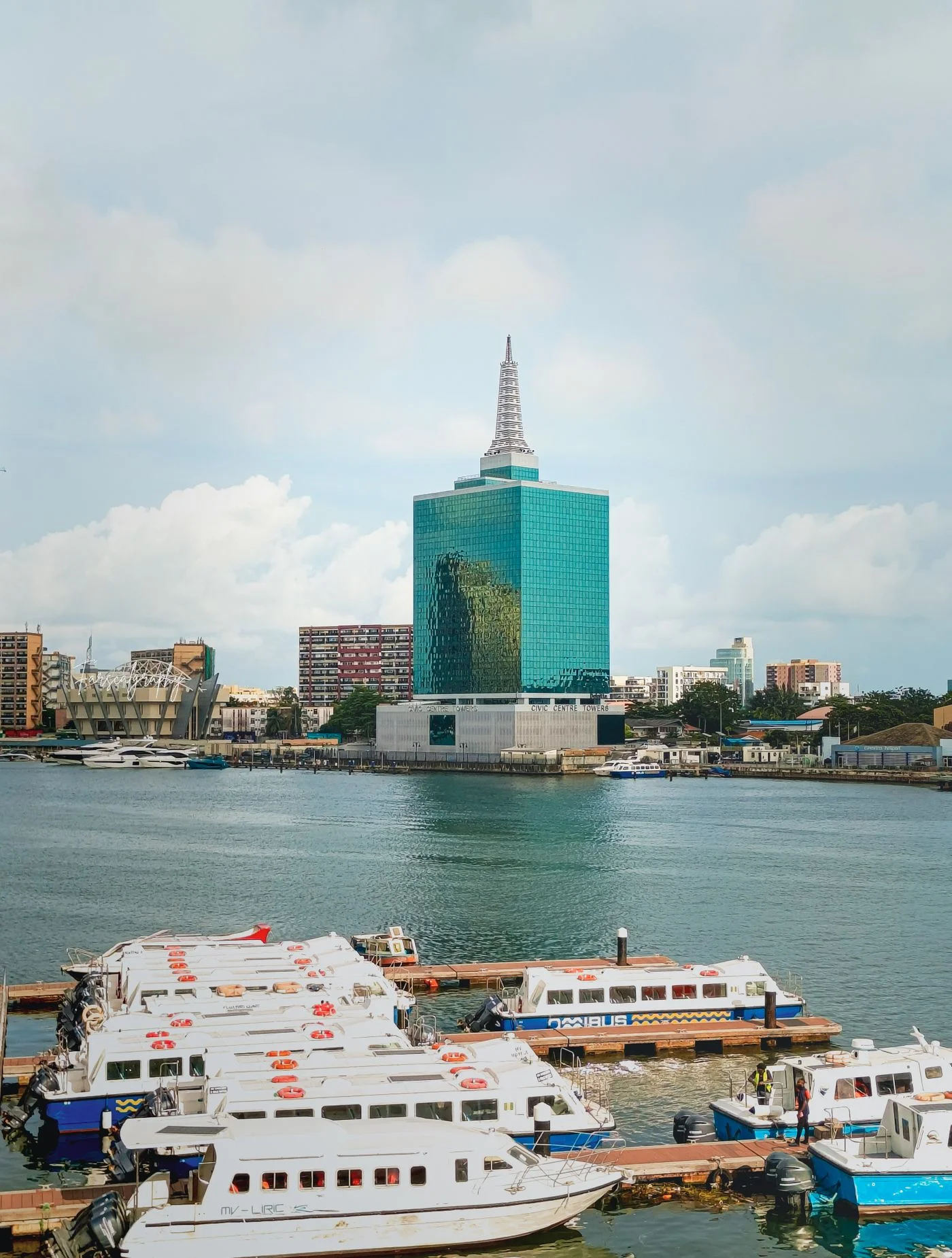
Africa represents one of the most significant hospitality growth opportunities of the coming decade. Urbanisation, a rising middle class, increasing business travel, expanding aviation connectivity and a growing appetite for domestic and regional tourism are combining to create demand for quality hospitality supply across the continent. Yet for all the opportunity, the operational reality of delivering successful hospitality in emerging African markets is more complex than the headline growth figures suggest.
At Te-Aroha Hospitality Consulting, our primary focus is on emerging hospitality markets across Africa. This focus reflects not only where we see the most compelling opportunity, but also where we believe the most disciplined operational thinking is required to convert that opportunity into sustained performance.
The Opportunity
The case for African hospitality is built on several structural trends. The continent has the fastest urbanising population in the world, with the United Nations projecting that more than half of Africa's population will live in cities by 2050. This urbanisation is creating demand for business hotels, conference facilities and serviced apartments in primary and secondary cities alike.
A rising middle class is generating domestic and regional leisure travel demand that did not exist a decade ago. Business travel within Africa is increasing as intra-African trade grows, supported by the African Continental Free Trade Area. Aviation connectivity is improving, with new routes, new carriers and new airport infrastructure expanding the network of cities accessible by air. And international tourist arrivals, while still small relative to other regions, are growing steadily as awareness of African destinations expands beyond the traditional safari markets.
The result is a hospitality market with genuine demand growth, constrained quality supply in many cities, and a clear opportunity for well-conceived, well-operated hotels to achieve strong performance over the long term.
The Operational Challenges
The opportunity is real, but so are the challenges. These are not reasons to avoid the market. They are reasons to enter it with operational discipline and realistic expectations.
Supply Chain Complexity
Supply chain reliability is one of the most consistent operational challenges in emerging African markets. Imported goods face customs delays, currency fluctuations and logistical complexity. Local supply is often inconsistent in quality, availability or both. Hotels that operate on the assumption that supply chains will function as they do in mature markets are quickly disabused of that assumption.
Successful operators invest in supply chain resilience, building relationships with multiple suppliers, maintaining appropriate inventory buffers, and designing menus and service standards that can flex around supply availability without compromising the guest experience.
Talent Acquisition and Development
Hospitality talent is often available in volume but not always at the experience level required for senior operational roles. The pool of experienced hotel general managers, executive chefs, directors of finance and directors of sales with relevant market experience is limited, and competition for that talent is intense.
Successful hotels invest in talent development, building structured training programmes, creating clear career progression pathways, and developing local talent for leadership roles rather than relying indefinitely on expatriate appointments. This is not just a social responsibility consideration. It is an operational and commercial necessity for sustained performance.
Regulatory and Political Complexity
The regulatory environment for hospitality in emerging African markets can be complex, inconsistent and subject to change. Planning permissions, liquor licensing, employment law, tax regulation and health and safety standards all vary by country and sometimes by city. Political transitions can bring policy shifts that affect operating conditions.
Operators must invest in local regulatory expertise, build relationships with authorities, and maintain compliance discipline that goes beyond what is required in more predictable markets. The cost of non-compliance, in fines, operational disruption and reputational damage, is significant.
Infrastructure and Utilities
Power reliability, water availability, internet connectivity and road infrastructure all affect hotel operations in ways that developers accustomed to mature markets may not anticipate. Hotels must invest in backup power generation, water storage and treatment, and redundant connectivity to maintain service standards through infrastructure disruptions.
These investments are not optional. They are part of the cost of operating in markets where infrastructure cannot be taken for granted, and they must be factored into development budgets and operational cost structures from the outset.
What Developers Must Get Right
Success in emerging African hospitality markets is not a function of brand strength or architectural ambition. It is a function of operational discipline applied with sensitivity to the local context. Developers must involve operational thinking early, before design decisions are locked. They must recruit leadership with relevant market experience, or with the humility to learn from those who have it. They must build supply chain resilience, invest in talent development, and budget realistically for the operational complexity of the market.
They must also adopt a longer time horizon for return on investment. Hotels in emerging markets often take longer to stabilise than their counterparts in mature markets, but they also offer stronger long-term performance when they are conceived and operated with discipline. The opportunity is real, but it rewards patience, discipline and operational rigour rather than speed and optimism.
The Te-Aroha Perspective
Our work in emerging African hospitality markets combines internationally recognised hospitality standards with a practical understanding of the operating environment. We do not import generic international solutions and assume they will work. We develop operational strategies that are globally informed, commercially viable and locally relevant.
Africa's hospitality opportunity is genuine and significant. Converting that opportunity into sustained performance requires exactly the kind of disciplined, intentional operational thinking that defines our practice. This is the work we do, and it is the work the market demands.